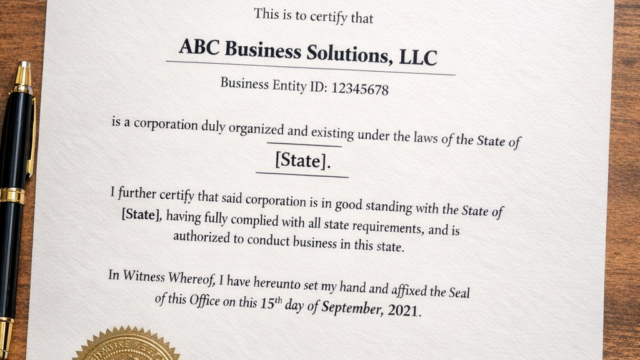

When an LLC is dissolved, many business owners mistakenly believe that their obligations end with the formal paperwork. However, operating under a dissolved LLC can lead to significant personal liability, a reality that often catches entrepreneurs off guard. According to the IRS, a dissolved LLC does not shield its members from debts incurred after dissolution, raising critical questions about ongoing business practices.
This situation can be both confusing and frustrating. For many, the dissolution of an LLC comes with a sense of finality, yet the continued operation may inadvertently expose owners to legal and financial risks. The search for clarity on whether one remains liable after an LLC dissolution reflects a genuine concern about personal and business financial health. Recognizing these complexities is the first step towards understanding the potential legal ramifications of operating a dissolved entity.
In this guide, comprehensive insights will be provided regarding the legal landscape surrounding LLC dissolution, including detailed explanations of personal liability and options available for those who find themselves in this predicament. This article will not only cover established legal definitions and frameworks but will also examine practical solutions for reinstatement and compliance with state regulations.
Readers can expect a thorough exploration of the implications of continued operations without a valid LLC, including potential creditor claims and tax implications. By the end of this article, business owners will gain a clearer understanding of their obligations and the steps they can take to protect themselves and their interests effectively. This unique focus on actionable insights sets this guide apart from basic information available elsewhere, providing a roadmap to handle the complexities of LLC dissolution and personal liability.
Understanding LLC Dissolution
When an LLC is dissolved, it signifies the formal end of the business entity, but many owners do not fully grasp the implications of this status. An LLC may be dissolved voluntarily by its members or through involuntary means, such as a court order. The dissolution process involves filing specific forms with the appropriate state authorities to officially terminate the business’s existence. It’s crucial to understand that once an LLC is dissolved, it loses its liability protection, which means owners can become personally liable for any debts or obligations incurred during continued operations.
According to state statutes, the dissolution process requires notifying creditors, settling all outstanding debts, and distributing any remaining assets. Failing to follow these steps can lead to significant legal consequences. For instance, if a business continues to operate without reinstating its status, creditors may pursue personal assets of the owners to recover debts. This scenario emphasizes the importance of proper dissolution procedures. The need for clarity in these processes is paramount for business owners who want to avoid personal liability Nolo.
The completion of the dissolution process does not automatically eliminate an LLC’s obligations. Owners must ensure compliance with state laws regarding the notification of creditors and the proper handling of financial obligations. This complexity often leads to confusion, particularly when owners believe their liability has ceased. Understanding what constitutes a dissolved LLC and the necessary steps to finalize this status is critical for safeguarding personal assets.
Legal Definition of LLC Dissolution
Legally, the dissolution of an LLC involves ending the company’s existence as recognized by state law. This action can be initiated by the members of the LLC through a vote or mandated by a state authority due to non-compliance with regulations. Each state has its own laws governing the dissolution process, including timelines and specific forms that must be filed. For example, in California, the dissolution process requires the filing of the Certificate of Dissolution with the Secretary of State, along with settling all taxes and obligations California Secretary of State.
Once an LLC is officially dissolved, it cannot conduct business or enter into new contracts. However, owners may still face liabilities for prior obligations. This situation arises because the formal dissolution does not retroactively relieve the owners from responsibilities incurred during the operation of the LLC. This distinction is essential for understanding personal liability implications and the importance of adhering to the dissolution process.
Legal Liabilities After Dissolution
The legal landscape changes significantly once an LLC is dissolved. One of the primary concerns for owners is personal liability. When an LLC is active, it provides a shield against personal exposure to business debts. However, this protection wavers if the entity is dissolved but operations continue. In many states, personal liability can arise for debts incurred after dissolution, which can include loans, unpaid vendor bills, and tax obligations.
Continuing to operate a business after dissolution opens individuals to lawsuits from creditors. For instance, if a vendor is not paid for services rendered after the LLC has been dissolved, they can pursue personal assets of the owners. This situation illustrates the critical nature of understanding the timeline of dissolution and the implications of operating without a valid business entity.
Personal Liability Risks
Personal liability risks are compounded by the concept of the “corporate veil.” This legal principle protects owners from personal liability for business debts as long as the business operates within the law. However, once the LLC is dissolved, the veil is lifted. Owners may face legal actions that target personal finances, including bank accounts and property. The case of In re: New England Compounding Pharmacy illustrates this point; creditors pursued the personal assets of the owners when the business continued to operate despite its dissolution Massachusetts Government.
it is crucial for owners to recognize that their obligations may also include tax liabilities. The Internal Revenue Service (IRS) requires any entity that has been dissolved to file a final tax return, even if the business is no longer operating. Failing to meet these obligations can lead to fines and personal liability for unpaid taxes. Understanding the nuances of tax implications and adhering to IRS guidelines is essential for compliance and avoiding personal financial repercussions IRS Guidelines.
What Should You Do If Your LLC is Dissolved?
If you find yourself in the unfortunate position of operating after your LLC has been dissolved, it is crucial to take immediate action. The first step is to cease all business operations to mitigate further risk of personal liability. Continuing operations can complicate your situation and expose your personal assets to creditors.
Next, consult a qualified attorney who specializes in business law. Legal counsel can provide insights into your specific situation and guide you through the necessary steps for reinstating the LLC or addressing liabilities. In many states, you can file for reinstatement of your LLC if you act promptly. This process typically involves submitting the necessary forms and paying any outstanding fees or taxes to the state IRS Reinstatement.
Steps to Take Immediately
1. Cease Operations: Stop all business activities to prevent incurring additional liabilities.
2. Consult Legal Counsel: Seek advice from a business attorney to understand your legal standing and options.
3. File for Reinstatement: If applicable, prepare and submit the necessary paperwork for reinstating your LLC. Be aware of any deadlines imposed by your state.
4. Notify Creditors: Inform any creditors of your LLC’s status to clarify obligations and prevent personal claims.
5. Settle Outstanding Debts: Address any debts incurred during the period of operation to limit potential claims against personal assets.
Taking these steps can significantly reduce the risk of personal liability and help you handle the complexities associated with a dissolved LLC. Being proactive is key to protecting your personal and business interests.
Legal Frameworks and State-Specific Considerations
The legal landscape surrounding LLC dissolution varies significantly across states, with each jurisdiction having its own statutes and regulations. Understanding these state-specific laws is essential for anyone operating under a dissolved LLC. For instance, some states may allow for a grace period during which a dissolved LLC can still wind down its affairs, while others may impose immediate penalties or liabilities for continued operations.
Variability in State Regulations
Each state has its own procedures and timelines for dissolving an LLC. For example, California’s Corporations Code outlines the requirements for voluntary dissolution, which includes filing a Certificate of Dissolution and settling any outstanding debts. In contrast, New York requires a more intricate process, including submitting a Certificate of Dissolution to the Department of State and notifying the Department of Taxation and Finance of any outstanding tax liabilities NASS.
These differences can significantly impact liability. If an LLC is dissolved in one state but continues to operate in another, the owners may face liabilities based on the laws of both jurisdictions. For example, a business operating in Texas may not face the same immediate penalties as it would in Florida, where state laws dictate strict enforcement against unauthorized business practices. Owners should be aware of these inconsistencies to avoid legal pitfalls.
Reinstatement Procedures and Their Nuances
Reinstating a dissolved LLC is not a one-size-fits-all process. In many states, the reinstatement procedure requires more than just filing the appropriate forms; it may involve addressing any outstanding debts and penalties incurred during the period of dissolution. For instance, a business in Illinois must not only submit an Application for Reinstatement but also pay all back taxes and fees Illinois Secretary of State.
the timeline for reinstatement varies, with some states allowing reinstatement within a specific timeframe post-dissolution (such as within five years in Georgia), while others have stricter deadlines. Failing to act within these windows can lead to permanent loss of the LLC status, further complicating the owner’s legal position and exposing them to personal liabilities.
Creditor Claims and Personal Guarantees
When an LLC is dissolved, creditors can pursue claims against the company’s assets. However, the implications of these actions can extend to the personal finances of the owners, especially if personal guarantees were made during the establishment of the LLC. Understanding the interplay between creditor claims and personal guarantees is crucial for individuals who continue to operate under a dissolved LLC.
Understanding Personal Guarantees
Many small business owners sign personal guarantees when securing loans or credit for their LLCs. This commitment means that if the business cannot meet its financial obligations, creditors can pursue the owner’s personal assets. For instance, if an LLC that has been dissolved continues operations and fails to pay back a loan secured by a personal guarantee, the lender can legally claim personal property, including homes and savings accounts, to recover the owed amount Entrepreneur.
To mitigate risks associated with personal guarantees, business owners should consider restructuring their financial agreements and seeking alternative financing options that do not require personal guarantees. This proactive approach can help protect personal assets in the event of business liabilities.
Addressing Creditor Claims Post-Dissolution
After an LLC has been dissolved, it is critical to understand how creditor claims are treated. Typically, creditors must file claims against the LLC within a specific timeframe set by state law. However, if the LLC continues to operate, as is often the case, creditors may argue that the owners are liable for any debts incurred during that period. This situation can become complex, as many states have laws protecting creditors’ rights, allowing them to pursue personal liability if they can demonstrate that owners acted in bad faith or failed to comply with state regulations Nolo.
To effectively address creditor claims, it is advisable for owners to formally notify all creditors of the LLC’s dissolution and halt operations immediately. This action can help mitigate potential claims against personal assets and establish a clear timeline for addressing outstanding debts.
Tax Implications of Operating a Dissolved LLC
Operating a dissolved LLC can have significant tax implications that business owners must navigate carefully. The IRS mandates that any business entity that has been dissolved must still file a final tax return, even if it is no longer operational. This requirement underscores the importance of understanding ongoing tax obligations and potential liabilities.
Final Tax Returns and Obligations
After dissolution, the LLC must submit a final tax return for the year of dissolution, reporting all income and expenses incurred until the effective date of dissolution. For example, an LLC that dissolved in June must report all financial activity from January to June on its final tax return. Failure to file this return can result in penalties and interest, which can further complicate the owner’s financial position IRS Guidelines.
if the LLC has employees, the owners are responsible for payroll taxes until the business is officially closed. This responsibility can lead to personal liability if the necessary payroll taxes are not reported or paid. Understanding these obligations is crucial for anyone continuing to operate under a dissolved LLC, as it emphasizes the need for compliance with federal and state tax laws.
Potential Tax Penalties and Strategies for Compliance
The IRS imposes severe penalties for failing to file required tax documents, which can include fines and interest on unpaid taxes. Business owners should be proactive in ensuring that they meet all tax obligations to avoid these consequences. Engaging with a tax professional can provide valuable insights into potential deductions and compliance strategies that can help mitigate tax liabilities during the dissolution process.
keeping detailed records of all business transactions, even after dissolution, can assist in accurately reporting income and expenses on the final tax return. This practice not only helps with compliance but also provides a clear financial picture, which can be beneficial if any disputes arise with creditors or tax authorities.
Understanding the Impact of State-Specific Regulations on Dissolved LLCs
The landscape of LLC dissolution and continued operation is not uniform across the United States; it significantly varies by state, often creating confusion for business owners. Each state has its own set of regulations governing the dissolution process, and these laws can directly affect the liability of individuals who continue to operate under a dissolved LLC. This section will categorize states into three distinct groups based on their regulatory frameworks regarding post-dissolution operations, providing a clearer understanding of the potential risks involved.
1. States with Strict Liability Standards
In certain states, the law imposes strict personal liability on members of a dissolved LLC if they continue to operate the business. States like California and Texas exemplify this approach, where if an LLC has been formally dissolved, any debts incurred by the business may render the owners personally liable. For instance, in California, the Corporations Code Section 17357 states that members may be held personally liable for the obligations of a dissolved LLC if they continue business activities. This strict liability framework serves as a caution for LLC members, highlighting the importance of adhering to dissolution protocols.
2. States Encouraging Reinstatement
Conversely, other states, such as Delaware and Florida, provide more lenient regulations for dissolved LLCs. These states often encourage business owners to reinstate their dissolved entities rather than face immediate personal liability. For example, Delaware allows a business to file for reinstatement within a three-year window, during which time the owners are protected from personal liability for debts incurred after the dissolution, as long as they act promptly to rectify the status of the LLC. This framework presents an opportunity for owners to mitigate risks associated with operating a dissolved LLC by reinstating the business quickly, thus ensuring continuity and liability protection.
3. States with Ambiguous Regulations
Finally, several states feature ambiguous or poorly defined regulations regarding the continued operation of dissolved LLCs. In such jurisdictions, like Wyoming and New York, the lack of clear guidelines can leave business owners vulnerable to personal liability without their knowledge. Owners in these states may inadvertently expose themselves to risks if they continue business activities post-dissolution without seeking legal guidance. This uncertainty underscores the necessity for business owners to consult with legal professionals familiar with their specific state laws before making decisions about continued operations.
Understanding these state-specific regulations is crucial for anyone involved in the management of an LLC. Consulting state statutes and legal resources can provide clarity and guidance to handle the complexities of operating post-dissolution effectively. For detailed information on state regulations, resources such as the California Secretary of State or the New York Department of State can be invaluable.
Exploring the Personal Liability Framework for Business Owners
When an LLC is dissolved, the assumption is that the business ceases to exist, and thus, any operations conducted post-dissolution could potentially expose the owners to personal liability. However, the degree of this liability is often contingent on various factors, including the nature of the business operations and the actions taken by the owners during the period of continued operations. This section introduces a framework for understanding personal liability in the context of a dissolved LLC, categorized into three key dimensions: operational behavior, creditor interaction, and compliance with legal obligations.
1. Operational Behavior
Operational behavior refers to how business owners manage their activities after the dissolution of the LLC. If owners continue to operate in a manner that suggests the LLC is still active—such as entering contracts, making purchases, or earning income—they may be seen as acting in bad faith. Courts have held that if business owners misrepresent their status, they can be held personally liable for debts incurred during this period. This is particularly relevant in industries where contracts and agreements play a significant role. A well-documented case involved a restaurant owner in Florida who continued to accept reservations and process payments after dissolution, leading to personal liability when creditors pursued claims for unpaid debts.
2. Creditor Interaction
The manner in which owners interact with creditors post-dissolution can also impact personal liability. If an owner communicates with creditors and fails to inform them of the LLC’s dissolution, this may further complicate their legal standing. For instance, if a creditor can demonstrate that the owner continued accepting payments or engaging in business transactions without disclosing the dissolution, they might successfully argue that the owner acted negligently. It is essential for owners to maintain transparency with creditors and formally notify them of the LLC’s status to protect themselves from potential claims.
3. Compliance with Legal Obligations
Finally, compliance with ongoing legal obligations plays a vital role in determining personal liability. Even after dissolution, owners are typically required to adhere to certain regulations, such as filing final tax returns or settling outstanding debts. Failure to meet these obligations can result in legal ramifications and personal liability. For example, an LLC owner who neglects to file necessary paperwork or pay taxes may face personal repercussions, as state authorities may pursue them for unpaid liabilities. Engaging with legal counsel to ensure compliance can help mitigate these risks and clarify potential liabilities.
This framework provides a comprehensive understanding of the personal liability landscape for business owners operating under a dissolved LLC. By recognizing the significance of operational behavior, creditor interactions, and compliance, owners can take proactive steps to safeguard themselves from potential legal issues. For further reading on personal liability implications, resources such as the American Bar Association can provide valuable insights.
Moving Forward: Navigating Your Responsibilities Post-Dissolution
Understanding the landscape of operating an LLC after its dissolution is essential for business owners to navigate the associated liabilities effectively. Key insights reveal that when an LLC is dissolved, the owners may face personal liability if they continue business operations without addressing critical legal obligations. It is vital to recognize that operational behavior, creditor interactions, and ongoing compliance significantly influence the legal ramifications of continued activity. By synthesizing these insights, business owners can create a clear strategy to mitigate risks and safeguard their personal assets.
For those who find themselves in this challenging situation, immediate action is crucial. First, owners should seek legal counsel to assess their specific circumstances and develop a tailored approach to addressing any potential liabilities. This may involve notifying creditors of the dissolution, ensuring compliance with tax obligations, and exploring options for reinstating the LLC if viable. Engaging with a qualified attorney can provide clarity and direction, helping owners regain control over their business operations while minimizing exposure to personal liability. Additionally, resources such as the IRS guide on closing a business can offer valuable insights into the necessary steps for compliance and tax considerations.
Acknowledging the complexities surrounding legal obligations post-dissolution is essential for encouraging trust in the information provided. The landscape of business law can be intricate, with varying state laws and regulations influencing the specifics of each case. Therefore, it is important for owners to remain informed and proactive, recognizing that taking the right steps can significantly impact their legal standing. As circumstances can change, staying updated on legal requirements and consulting experts in the field can help ensure that owners are making informed decisions based on the latest information.
Ultimately, the journey following an LLC dissolution does not have to be daunting. By understanding the potential liabilities and taking decisive action, business owners can navigate this challenging landscape with confidence. Embracing the complexities of business law and seeking professional guidance can empower owners to move forward successfully, protecting both their personal and business interests. With careful planning and informed decision-making, overcoming the challenges posed by a dissolved LLC is achievable.