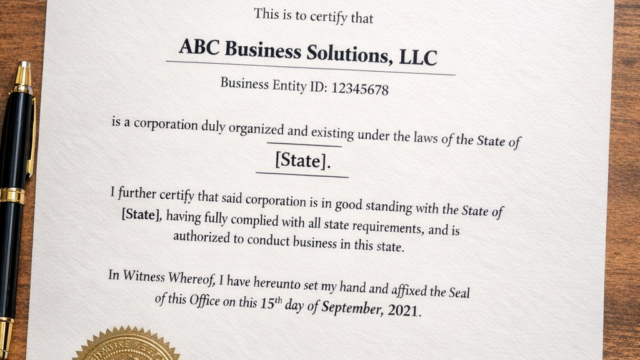

Understanding what forfeited means for an LLC is crucial for business owners navigating the complexities of limited liability companies. When an LLC is forfeited, it signifies that the entity has lost its legal standing, often due to non-compliance with state regulations. This situation can lead to significant repercussions, including personal liability for its members. According to the National Association of Secretaries of State, nearly 60% of LLCs face some form of compliance issue that could lead to forfeiture, highlighting the importance of maintaining adherence to state requirements.
The process of forfeiture can be confusing and frustrating for many LLC owners, as it often comes with unexpected consequences. The implications of losing LLC status can be dire, affecting everything from personal liability to business operations. Recognizing these challenges is essential for anyone looking to protect their business and personal assets. This guide aims to clarify the intricacies of LLC forfeiture, providing valuable insights that are often overlooked in generic discussions of the topic.
This article will cover the various reasons an LLC might be forfeited, the legal consequences of such a status, and the specific steps required for reinstatement. Additionally, expert recommendations will be provided to help prevent forfeiture, ensuring compliance with state regulations. By examining these aspects, readers will gain a deeper understanding of their responsibilities as LLC owners and how to navigate potential pitfalls.
Through this comprehensive guide, LLC owners will learn practical strategies to safeguard their business interests, moving beyond basic definitions to actionable advice. The information presented here not only outlines the process and implications of forfeiture but also offers insights into maintaining compliance. This approach enables a clear path to ensuring business continuity and protecting personal liability as the article transitions into the first section, which details what forfeited means for an LLC.
What Does Forfeited Mean for an LLC?
Forfeited, in the context of a Limited Liability Company (LLC), indicates that the company has lost its legal status due to failure to meet certain obligations defined by state law. This could occur for a variety of reasons, such as not filing necessary paperwork, failing to pay required fees, or falling behind on tax obligations. When an LLC is forfeited, it can no longer conduct business legally, which may lead to severe consequences for the owners and members, including personal liability for debts and legal actions against the company.
The implications of forfeiture extend beyond mere legal status. Owners may find themselves personally liable for debts incurred by the LLC during the forfeiture period. Additionally, any contracts or agreements entered into under the LLC’s name may become invalid, potentially disrupting business operations. Understanding the significance of forfeited status is essential for LLC owners, as it underscores the importance of maintaining compliance with state requirements to protect both the entity and its members.
This matter is particularly critical because, according to a report by the National Association of Secretaries of State, nearly 40% of LLCs face forfeiture due to non-compliance issues. The repercussions of forfeiture can have lasting effects on an LLC’s reputation and financial stability. Thus, it is vital for business owners to stay informed and proactive about their compliance obligations to avoid forfeiture.
Common Reasons for LLC Forfeiture
LLCs can face forfeiture for several reasons, most of which stem from non-compliance with state regulations. Understanding these common triggers is crucial for LLC owners aiming to maintain their business status. Below is a list of key reasons:
- Failure to File Annual Reports: Many states require LLCs to submit annual reports and pay associated fees. Missing these deadlines can lead to forfeiture.
- Tax Obligations: Non-payment of state or federal taxes can result in the forfeiture of an LLC. States may revoke the business’s status if taxes remain unpaid for extended periods.
- Failure to Maintain a Registered Agent: An LLC must have a registered agent to receive official documents. If the registered agent is not maintained, the state may take action against the LLC.
- Non-Compliance with State Regulations: Each state has specific compliance requirements. Not adhering to these can lead to forfeiture, as outlined by state laws.
Recognizing these reasons allows LLC owners to implement better management practices to avoid forfeiture. For instance, establishing reminders for filing deadlines and maintaining clear tax records can significantly mitigate risks. It’s also advisable to regularly consult with legal or financial professionals to stay updated on compliance requirements specific to the LLC’s state, as regulations can vary considerably from one jurisdiction to another.
Failure to address these compliance issues can have serious repercussions. According to a study from the Small Business Administration, approximately 30% of businesses that face forfeiture do not survive the aftermath, highlighting the importance of vigilance in maintaining compliance.
Consequences of Forfeiture on Business Operations
The consequences of an LLC’s forfeiture can be profound, impacting various aspects of business operations. When an LLC is forfeited, it cannot legally operate, which can lead to immediate disruptions in service delivery and customer relations. This disruption can result in lost revenue, as clients may turn to competitors who can fulfill their needs without legal hindrances.
forfeiture impacts the personal liability of LLC members. Typically, one of the main advantages of operating as an LLC is the protection of personal assets from business debts. However, during the forfeiture period, this protection can diminish, exposing members to personal liability for the LLC’s debts and obligations. This shift can become particularly concerning if the LLC faces lawsuits or creditors seeking payment.
the ability to enter into contracts is severely compromised. For example, any agreements made while the LLC is in forfeiture may be considered void, putting the business at risk of litigation from parties relying on those contracts. The Cornell Law School emphasizes that contracts made in good faith can be challenged, leading to further legal complications.
Understanding these consequences is critical for LLC owners. By recognizing the potential ramifications, business leaders can better appreciate the importance of compliance and take proactive measures to prevent forfeiture. This approach not only protects the business but also safeguards personal interests, ensuring that LLC members can focus on growth and sustainability rather than navigating legal pitfalls.
Steps to Reinstate a Forfeited LLC
Reinstating a forfeited LLC is a vital process that can help restore the entity’s legal standing, but it requires careful navigation of state-specific regulations. The steps involved generally include the following:
- Determine the Cause of Forfeiture: Understanding why the LLC was forfeited is the first step. This involves reviewing correspondence from the state and assessing compliance status.
- Address Outstanding Obligations: Before reinstatement, all outstanding fees, taxes, and reports must be submitted. Many states will not allow reinstatement until these obligations are met.
- File a Reinstatement Application: Most states require a formal application for reinstatement. This application often includes a detailed account of how the LLC will comply with state requirements in the future.
- Pay Required Fees: Reinstatement typically involves paying a fee determined by the state. This fee can vary widely, so it’s important to check with the appropriate state agency for accurate amounts.
- Await Confirmation: After submitting the application and fees, owners must wait for confirmation from the state that the LLC has been reinstated. This process can take anywhere from a few days to several weeks, depending on the jurisdiction.
It is essential to note that the reinstatement process can differ significantly from one state to another. For instance, California requires specific forms to be filled out, while New York has additional stipulations regarding tax obligations. Therefore, consulting the California Secretary of State or the New York Department of State can provide invaluable guidance tailored to the specific needs of the LLC.
In some cases, professional legal assistance may be warranted to navigate complex reinstatement processes, particularly when multiple compliance issues are involved. Engaging a legal professional can help ensure all necessary documentation is correctly completed and submitted, significantly increasing the chances of a successful reinstatement.
Understanding the Legal Framework of LLC Forfeiture
Forfeiture of an LLC occurs when the entity loses its legal status typically due to non-compliance with state regulations. This legal framework is not just a straightforward loss; it intertwines with various legal, financial, and operational aspects of running a business. Understanding these dynamics requires navigating through multiple layers of state law, tax implications, and operational responsibilities.
The fundamental principle behind LLC forfeiture is that it serves as a mechanism to ensure compliance with state regulations. When an LLC fails to meet obligations such as filing annual reports or paying taxes, state authorities initiate forfeiture proceedings, effectively dissolving the entity’s legal status. This process varies state by state, with different regulations governing the duration of grace periods and the conditions under which a business can be reinstated. For instance, California has a different approach compared to Texas when addressing tax delinquencies and annual report filings.
In addition to state-specific regulations, federal tax implications also arise when an LLC is forfeited. The IRS treats forfeited entities as having ceased operations, potentially leading to tax liabilities for the members. For example, if an LLC fails to file tax returns, the IRS may impose penalties, and the members could be held personally liable for unpaid taxes. This dual layer of state and federal compliance creates a complex landscape for LLC owners to navigate.
Interconnected Factors Influencing Forfeiture
The interconnected nature of various factors can complicate the understanding of LLC forfeiture. For example, financial distress can lead to non-compliance, resulting in forfeiture, which in turn exacerbates financial issues. A business facing cash flow problems may prioritize immediate operational costs over maintaining compliance, leading to a cycle that can be difficult to break.
Another aspect worth noting is the relationship between an LLC’s operational practices and its legal standing. Companies that lack strong record-keeping processes may inadvertently fail to meet compliance requirements. Implementing a strong compliance framework, including regular audits and financial reviews, can help mitigate the risk of forfeiture. Research indicates that businesses with structured compliance practices are less likely to face legal issues, reinforcing the importance of an organized approach to operations. According to a study by the AuditBoard, organizations that prioritize compliance culture see a significant reduction in incidents of non-compliance.
The Role of State-Specific Regulations in LLC Forfeiture
LLC forfeiture is not a one-size-fits-all scenario; rather, it is deeply influenced by state-specific regulations. Each state has its own set of laws that dictate the processes, penalties, and reinstatement options for forfeited LLCs. This section explores how these variations affect LLC management and compliance strategies.
For example, in Florida, an LLC can be administratively dissolved for failing to file an annual report for two consecutive years. The state requires that all outstanding taxes and fees be paid before reinstatement can occur. In contrast, New York allows for a grace period where businesses can rectify their compliance issues without immediate forfeiture, but they must still meet the requirements within a specified timeframe.
The nuances in state regulations necessitate that LLC owners conduct thorough research on their specific state laws. Using resources from state Secretary of State offices, such as the Texas Secretary of State or NASS, can provide clarity on compliance requirements and reinstatement processes. The differences between states can be substantial; thus, understanding these regulations is critical for maintaining legal status and avoiding forfeiture.
Developing a State-Specific Compliance Strategy
Given the variance in regulations, developing a tailored compliance strategy is essential for LLC owners. This strategy should address state-specific requirements and incorporate best practices for maintaining good standing. For instance, integrating compliance checklists into regular business operations can help ensure that all necessary documents are filed on time. These checklists should include deadlines for annual reports, tax filings, and any additional state-specific requirements.
LLC owners might benefit from engaging with legal professionals who specialize in corporate law. Legal experts can provide insights into the intricacies of state regulations and help businesses establish strong compliance frameworks. According to the American Bar Association, proactive legal counsel can significantly reduce the risks associated with forfeiture and other compliance-related issues.
Understanding Forfeiture in the Context of Limited Liability Companies
Forfeiture of an LLC represents a significant shift in its operational and legal status. When an LLC is forfeited, it loses its limited liability protection, which is a core benefit of forming such a business entity. This means that the owners, or members, can become personally liable for the debts and obligations of the company. The implications extend beyond mere paperwork; they can fundamentally alter the risk profile of business owners.
The definition of forfeiture in this context is not merely a loss of good standing with the state but a transition into a precarious situation that can lead to severe financial consequences. For instance, if an LLC fails to meet regulatory requirements such as filing annual reports or paying taxes, it may be forfeited. This results in the inability to legally operate, which can lead to business interruption and potential loss of customer trust.
Legal and Financial Implications of Forfeiture
The legal ramifications of forfeiture can vary by state, but generally, once an LLC is forfeited, it cannot engage in any business activities. This includes entering into contracts, collecting debts, or defending itself in court. In states like California, for example, the forfeiture can lead to a complete dissolution of the LLC if not addressed promptly. This underscores the importance of understanding local regulations and the specific processes involved in maintaining compliance.
Financially, forfeiture can lead to increased costs. If an LLC is forfeited due to failure to pay taxes, the members may face tax liens against personal assets. Additionally, reinstatement fees can be substantial, sometimes costing hundreds to thousands of dollars, depending on the state. For instance, in New York, the reinstatement fee can reach up to $500, not including any back taxes owed. These costs can be a substantial burden for small business owners who may be operating on tight margins.
A Comprehensive Framework for Understanding Forfeiture
To better grasp the implications of forfeiture, it is useful to adopt a framework that categorizes the various dimensions of this issue. This framework can be divided into three key areas: Legal Status, Financial Responsibility, and Operational Impact. Each category understanding how forfeiture affects an LLC.
- Legal Status: This includes the loss of limited liability protections, inability to enter contracts, and disqualification from legal proceedings. Understanding this aspect is vital for LLC owners, as it directly impacts their personal liability.
- Financial Responsibility: Here, the focus is on the potential for personal liability, tax implications, and reinstatement fees. This category highlights the financial risks associated with forfeiture and the importance of maintaining compliance with state regulations.
- Operational Impact: This pertains to the day-to-day functioning of the business. Forfeiture can lead to business interruption, loss of customers, and reputational damage. Recognizing these operational challenges can help owners mitigate risks effectively.
This framework not only clarifies the implications of forfeiture but also serves as a strategic tool for LLC owners to assess their current compliance status and take proactive measures to safeguard their business. By focusing on these three categories, business owners can develop a more comprehensive understanding of their obligations and the potential consequences of forfeiture.
Emerging Trends in LLC Compliance and Forfeiture Prevention
As regulatory environments evolve, so do the trends surrounding LLC compliance and forfeiture prevention. With the rise of digital platforms and increased scrutiny from tax authorities, LLC owners face new challenges and opportunities in managing compliance. One notable trend is the increasing reliance on technology for compliance management. Software solutions that automate filing deadlines, track compliance requirements, and monitor regulatory changes are becoming essential tools for business owners.
digital education resources are proliferating, offering LLC owners access to legal advice and compliance strategies that were once only available through traditional channels. This democratization of information empowers business owners to take charge of their compliance needs proactively. For example, platforms like Nolo provide comprehensive guides and resources for understanding state-specific requirements.
Anticipating Future Developments in LLC Regulations
Looking ahead, it is crucial for LLC owners to stay informed about potential regulatory changes that could impact their operations. Emerging trends suggest that states may enhance their compliance requirements, focusing on transparency and accountability. For instance, some states are exploring the use of blockchain technology to streamline compliance processes and enhance tracking of business activities.
as the gig economy expands, regulatory agencies may introduce new classifications for LLCs that cater specifically to freelance and contract-based work. This could lead to more tailored compliance requirements, reflecting the diverse nature of modern business operations. Understanding these trends can help LLC owners adapt their strategies and prepare for changes that could affect their business models.
By staying attuned to these developments and using technology for compliance management, LLC owners can mitigate the risks associated with forfeiture and maintain their legal standing. The proactive approach not only safeguards their business but also positions them favorably in an evolving regulatory landscape.
Moving Forward: Navigating LLC Forfeiture with Confidence
Understanding what forfeited means for an LLC is crucial for business owners. The implications extend beyond legal definitions; they affect operational continuity, personal liability, and long-term business strategy. Recognizing the various reasons for forfeiture—like non-compliance with state regulations or failure to file necessary documentation—equips owners with the knowledge to preemptively address potential issues. The complexities surrounding reinstatement processes vary significantly between states, highlighting the importance of tailoring compliance efforts to specific legal environments. By grasping these key insights, LLC owners can develop a strong framework for managing their businesses effectively and avoiding pitfalls associated with forfeiture.
To empower LLC owners, it is essential to take actionable steps to prevent forfeiture. Regular compliance checks, timely filing of annual reports, and maintaining accurate records are foundational practices that safeguard an LLC’s standing. Engaging with legal professionals can provide tailored advice that aligns with specific business needs. Resources such as the U.S. Small Business Administration offer valuable guidance on compliance and operational best practices. Setting realistic expectations about the potential for setbacks and understanding that navigating regulatory landscapes is an ongoing process can help owners maintain confidence in their business decisions.
Acknowledging the intricacies of LLC management and compliance is vital. The legal environment is not static; it evolves based on regulatory changes and economic shifts. Owners should remain vigilant, keeping abreast of any updates that may affect their obligations and responsibilities. Accurate information is paramount, and relying on credible sources fosters a sense of assurance. It’s important to remember that while challenges may arise, there are established pathways to address them effectively. Questions about specific circumstances can arise, and seeking clarification from legal experts or industry peers can provide further insight.
Ultimately, the journey of managing an LLC is one of continuous learning and adaptation. By understanding the full implications of forfeiture, including its impact on both business operations and personal liability, owners can cultivate a proactive approach that positions their businesses for success. Embracing compliance as a core business practice not only mitigates risks but also enhances credibility with clients and stakeholders. As owners handle the complexities of LLC management, this perspective shift can empower them to take charge of their business futures with confidence and resilience.